Thinking about a condo or townhome in Rohnert Park but not sure where to start? You want a home that fits your budget and lifestyle without surprise costs or delays. In this guide, you’ll learn what to expect on price and monthly dues, how HOA rules and reserves work, how condo financing differs, and which inspections and timelines matter most. Let’s dive in.
Why consider Rohnert Park attached homes
If you want Sonoma County convenience at a more approachable entry point, condos and townhomes in Rohnert Park are worth a close look. Recent citywide data shows median home sale prices roughly in the mid $600Ks to low $700Ks, while many attached units list lower than single-family homes. Proximity to Sonoma State University supports consistent housing demand, which can help long-term liquidity. For low-maintenance living, many communities handle exterior care, roofing, and landscaping through the HOA.
What you’ll find on the market
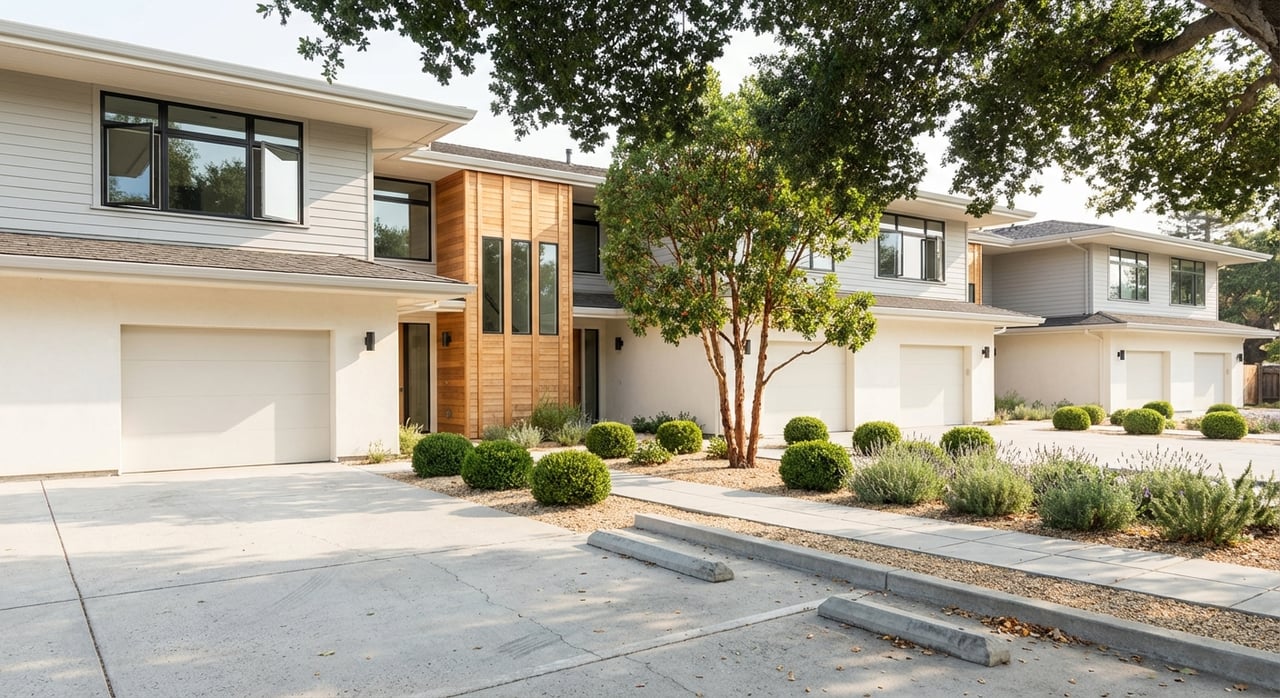
You’ll see a mix of garden-style condos, stacked units in small low-rise buildings, and two-story townhomes with private garages. Many communities date from the 1970s to 1990s, with some newer planned developments in the mix. Listings often reference clusters like Centreville/City Center, Country Club Gardens, Sunrise Terrace, and Meadow Pines.
Pricing varies by size, updates, and community. Smaller 1–2 bedroom condos often appear from the high $300Ks, while larger or updated townhomes can range into the mid $400Ks to $600Ks. Remember to factor HOA dues into your monthly plan.
Understand HOA basics before you buy
What dues typically cover
In many Rohnert Park complexes, monthly dues cover exterior maintenance and repairs, roofing, common-area landscaping, pool or amenity upkeep, management, and often water, sewer, and trash. Fee levels vary by age, amenities, and size. Many local communities fall roughly in the 400 to 750 dollars per month range, with some outliers.
Reserve studies and special assessments
California’s Davis-Stirling Act requires associations to provide budget and reserve information to owners and buyers. You should review the reserve study, operating budget, and the reserve summary in the annual budget report. The law calls for a full reserve study at least every three years with annual reviews, which helps forecast major replacements and funding needs. A thin reserve balance or outdated study raises the risk of special assessments. You can read more about required buyer disclosures in Civil Code 4525 and reserve planning standards in the reserve study guidance.
- Learn what sellers must disclose to buyers under Civil Code 4525: Required association documents
- Understand reserve study planning and funding: Reserve studies and funding
Required documents and timing
Under California Civil Code 4525 and 4530, the association must provide key documents, including governing documents, budget and reserve summaries, statements of assessments and any unpaid sums, recent meeting minutes, and specified inspection reports. Associations must respond to a written request within 10 days and can charge a reasonable, itemized fee. Build sufficient time into your contract to review the full resale packet.
Insurance you will need
Master policy vs. your HO-6
Every community carries a master policy that covers common areas and some building elements. It may be written as bare-walls, single-entity, or all-in, which determines what parts of the interior are included. The association’s annual budget report must summarize insurance per Civil Code 5300. To fill gaps, you will need an HO-6 policy sized to cover interior finishes, personal property, and loss assessment coverage in case a deductible or shortfall is shared by owners.
- See the insurance summary requirement: Civil Code 5300
- Learn how HOA master and HO-6 policies work together: HOA master insurance vs. HO-6
SB 326 and balconies/decks
California now requires periodic inspections of exterior elevated elements, such as balconies, decks, and exterior stairs. Results feed into reserve planning and budgeting. Ask if your association has completed required inspections and how any findings are being addressed.
- Background on exterior elevated element inspections: SB 326 overview
Financing for condos and townhomes
Conventional loans and warrantability
Conventional lenders often require the project to meet Fannie Mae or Freddie Mac standards, including limits on delinquency rates and investor concentration, adequate reserves, and limited commercial space. If a project is not warrantable, you may face fewer lender choices, stricter terms, or a higher down payment.
- Project eligibility basics: Fannie Mae condo eligibility
FHA and VA options
FHA and VA lending can be strong tools for first-time buyers. FHA allows a Single-Unit Approval pathway for units in projects that are not fully approved, if specific criteria are met. Confirm the project’s status and any needed documentation early in your process to avoid delays.
- Policy references and approvals: HUD single-family handbook references
What if the project is non-warrantable
If the community does not meet GSE or FHA/VA criteria, expect higher down payment requirements and potentially higher rates. Some lenders offer portfolio or specialty condo loans, but they are less common and may cost more. Confirm project status with your lender before you write or waive financing contingencies.
- Practical consequences of non-warrantable status: Why project approval matters
Key contingencies, inspections, and timelines
Core contingencies in California
Most buyers use contingencies for loan approval, appraisal, general home inspection, title, and HOA document review. The HOA review should be its own contingency and aligned with the association’s delivery window. Your purchase agreement spells out deadlines and rights to cancel or negotiate.
- What your purchase agreement covers: CAR agreement overview
Typical windows and escrow timing
Local practice often uses 7 to 17 days for inspections, with 10 or 17 days common. Loan and underwriting periods often fall around 14 to 21 days, and financed escrows typically close in 30 to 45 days. Shorter timelines can be competitive, but make sure you preserve enough time to review HOA documents and confirm financing.
- Step-by-step buyer timeline context: California buyer’s guide
Special inspection items for attached homes
Beyond a general home inspection and a wood-destroying-organism report, consider targeted checks based on the building’s age and reserve study findings. Common focus areas include roof and flashing at shared roofs, moisture and dry rot in wood-frame construction, balcony and stair safety, and condition of pool or elevator systems where applicable. If the HOA notes upcoming projects, request estimates and timing before you remove contingencies.
Condos vs. single-family homes: tradeoffs
- Upfront price vs. monthly costs: Many condos and townhomes list lower than single-family homes, but HOA dues add to your monthly payment. Compare total monthly cost, including mortgage, taxes, insurance, and HOA.
- Maintenance and control: HOAs manage exterior and common elements, which helps buyers who want low-maintenance living. Single-family homes offer more control, but you take on all exterior costs.
- Resale and financing: Community-level issues like investor concentration or litigation can limit financing and reduce the buyer pool. Strong reserves and clear approvals usually support smoother resales.
Step-by-step checklist for first-time and budget-conscious buyers
- Confirm your loan type early. If you plan to use FHA or VA, check whether the project is approved or if a Single-Unit Approval is feasible. For conventional loans, ask your lender to verify project eligibility against GSE standards.
- Request the HOA resale packet right after acceptance. Review current dues, reserve balance, any planned special assessments, insurance summary, rental policies, pending litigation, and 12 months of meeting minutes. Make HOA review a contract contingency. See required document list in Civil Code 4525.
- Budget for closing costs, HOA transfer or document fees, an HO-6 policy, and a cushion for potential assessments. Match your coverage to the HOA’s master policy and deductible per Civil Code 5300.
- Plan inspections. Order a general inspection and a wood-destroying-organism report, then add balcony or structural checks if the reserve study or HOA notes issues. If utilities are shared, confirm who pays and who maintains them.
- Align timelines with your lender and the HOA. Leave enough days for document delivery, review, and loan underwriting before you remove contingencies.
Work with a local advisor
Buying an attached home in Rohnert Park can be a smart, low-maintenance way to live in Sonoma County, but details matter. The right guidance helps you confirm project approvals, evaluate reserves, right-size insurance, and protect your timelines and budget. If you want a calm, well-managed purchase with clear next steps, reach out to Miranda Hanson. Let’s connect and map your path to the right condo or townhome.
FAQs
What makes a condo project “warrantable” for a conventional loan?
- Lenders look for Fannie Mae or Freddie Mac compliance on items like reserve funding, owner-occupancy ratios, delinquency limits, and limited commercial space, which affects loan availability and pricing.
How do HOA reserves affect my costs after closing?
- Strong reserves reduce the chance of large special assessments for big repairs, while thin reserves or outdated studies can increase that risk and impact your monthly budget later.
What does a condo buyer’s HO-6 policy cover?
- Your HO-6 typically covers interior finishes, personal property, and loss assessment exposure that can arise from the HOA’s master policy deductible or uncovered losses.
How long is a typical escrow for a financed condo purchase in Rohnert Park?
- Many financed purchases close in about 30 to 45 days, with inspection periods often 7 to 17 days and loan approvals around 14 to 21 days, depending on negotiations and lender speed.
What should I focus on in the HOA resale packet?
- Review dues and what they cover, reserve balance and study, any special assessments, insurance summary and deductible, rental rules, pending litigation, violation notices, and the last 12 months of meeting minutes.