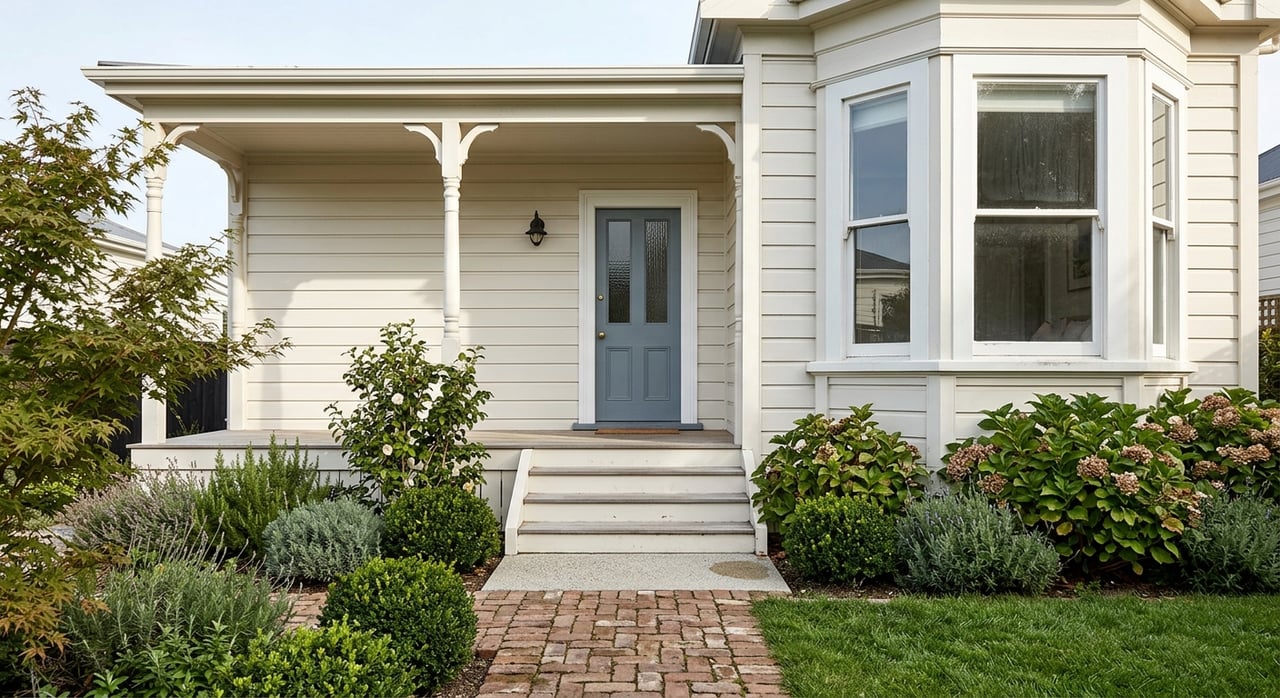
Ever wonder what daily life really feels like in Petaluma’s historic neighborhoods, beyond the pretty facades and postcard charm? If you are drawn to older homes, walkable streets, and a downtown with real personality, Petaluma offers a lifestyle that feels both rooted and active. From riverfront walks and easy errands to seasonal festivals and preserved architecture, there is a lot to picture here before you ever tour a home. Let’s dive in.
Why Petaluma’s historic areas stand out
Petaluma’s historic core grew from riverfront trade and agricultural commerce, and that history still shapes how the area feels today. The city recognizes that legacy through a National Register historic commercial district, two local historic districts, and a broader preservation survey that includes more than 300 properties.
What makes the area especially appealing is that it does not feel frozen in one moment in time. Historic commercial blocks, early residential streets, and later infill sit close together, creating a layered streetscape that feels lived-in rather than staged.
The downtown commercial district covers much of the city center and includes 96 contributing buildings across about 23 acres. Its period of significance runs from 1854 to 1945, with architectural styles that include Late Victorian, Italianate, and Streamline Moderne.
Historic districts near downtown
If you are imagining life in or near Petaluma’s older neighborhoods, two residential districts often anchor the conversation.
Oakhill-Brewster district
Oakhill-Brewster sits north and west of downtown and is one of Petaluma’s earliest residential neighborhoods. The area includes homes from the 1850s through the 1980s, with a broad mix that ranges from mansions and elaborate residences to more modest houses.
That variety can make the neighborhood feel visually interesting from one block to the next. If you like older areas that show different eras of growth instead of a uniform look, this district reflects that pattern clearly.
A Street district
The A Street Historic District lies south and east of downtown. It includes residences, offices, churches, and apartments, and nearly all of its buildings date to before 1925.
The district reflects development from 1860 to 1925, which gives it a strong historic identity near the downtown core. For buyers who want older architecture close to daily conveniences, this area often fits the picture.
What everyday life can look like
One of the biggest draws of Petaluma’s historic core is how practical it can feel. The downtown area is described as a 15-block walkable shopping district stretching from the riverfront to Keller Street, with shops, boutiques, galleries, and antique stores clustered together.
That means a simple outing can feel easy and enjoyable. You might grab coffee, browse a few stores, run a quick errand, and head to dinner without moving your car more than once.
Petaluma is also known for its antique scene. Visit Petaluma says the downtown has more antique stores per capita than any other Bay Area city, which adds to the sense that browsing is part of everyday life here, not just an occasional weekend plan.
Dining and riverfront routines
The river is not just a backdrop in Petaluma. The city describes it as defining the historic downtown area, and it remains part of the neighborhood’s daily rhythm for boaters, kayakers, rowers, photographers, bird watchers, anglers, and pedestrians.
The River Trail adds another layer to that routine. While the trail is not yet fully complete, it allows people to enjoy the river from end to end, making a walk by the water a realistic part of a normal day.
Dining is also woven into the downtown experience. Historic downtown offers a wide range of options, including bakeries, pizzerias, brewpubs, seafood, steakhouses, and international fare, often set among mid-nineteenth-century architecture and river views.
For you as a buyer, that translates into lifestyle value. A historic home near downtown can offer more than character inside the property. It can also give you easier access to the kinds of routines that make a neighborhood feel convenient and enjoyable over time.
Getting around downtown
Older downtowns can be charming, but they can also bring parking headaches. Petaluma eases some of that friction with complimentary two-hour street parking Monday through Saturday during daytime hours, unlimited free street parking after those hours, and two free parking structures for longer stays.
There is also a free on-demand shuttle service called LumaGo within its service area. For residents and frequent visitors, that can make a car-light routine feel more realistic when you are heading downtown for errands, dining, or events.
A neighborhood with a social rhythm
Historic neighborhoods tend to feel different when they are active beyond business hours. In Petaluma, the downtown calendar helps shape that experience throughout the year.
Butter & Egg Days is one of the best-known examples. Held each April in historic downtown, the festival spans four blocks and draws about 30,000 to 35,000 people.
Summer keeps the energy going with the Petaluma Art & Garden Festival. The event takes place across several downtown streets and draws more than 15,000 people for art, music, food, and local vendors.
Antique fairs are another recurring part of downtown life. The fall event includes more than 200 dealers, while spring and fall fairs add more reasons for both locals and visitors to spend time in the historic core.
The holiday season brings a different pace. Events like Santa’s Riverboat Arrival, the Tree Lighting Celebration, the Shopping Stroll, the Lighted Boat Parade, and the City of Lights Driving Tour give downtown a festive and community-centered feel.
Landmarks that shape the atmosphere
Part of everyday life in a historic area is the way local landmarks become part of your mental map. In Petaluma, places like the Opera House, the former Carnegie Library now used as the Petaluma Historical Library & Museum, the Old Silk Mill, the Sweed House, and the post office at 4th and D Streets help reinforce that sense of place.
These are not just isolated attractions. They contribute to the feeling that history is built into the streets around you, whether you are out for a walk or heading to dinner downtown.
What to know about owning an older home
If you are considering a home in one of Petaluma’s historic districts, charm is only part of the picture. Ownership can also involve a more structured process for exterior work.
The city says owners should review district guidelines and the Secretary of the Interior’s Standards before starting exterior work on a building in a historic district. It also notes that almost all exterior work requires some level of discretionary review.
For projects in historic districts or involving city landmarks, Historic SPAR review is required. The city says Historic SPARs take a minimum of six months to process, so planning ahead matters.
That timeline does not mean improvement is off the table. It means changes are reviewed through the lens of compatible rehabilitation, with the goal of preserving the materials, features, scale, and proportion that give a property its historic character.
Practical maintenance considerations
Older homes often come with a few added layers of due diligence. Homes built before 1978 are more likely to contain lead-based paint, and renovation, repair, or painting can create lead dust.
Lead-disclosure information is also generally required before the sale or lease of most pre-1978 housing. If you are shopping for a historic home, this is one more reason to work through inspections, disclosures, and renovation planning carefully.
In simple terms, buying in Petaluma’s historic neighborhoods is often a balance. You get architectural character and a strong sense of place, but you also take on some stewardship responsibilities that are important to understand from the start.
Who Petaluma’s historic lifestyle may suit
This kind of neighborhood often appeals to buyers who want more than square footage alone. If you value walkability, older architecture, local events, and a downtown with daily activity, Petaluma’s historic areas can be worth a closer look.
It can also be a strong fit if you are comfortable with the realities of an older home. Buyers who go in with clear expectations about review timelines, maintenance, and preservation standards are usually better prepared to enjoy the benefits that come with the setting.
If you are exploring Petaluma because you want a home that connects to both lifestyle and local history, the historic neighborhoods near downtown offer a compelling mix of both. When you are ready to talk through neighborhoods, home styles, or what to expect as you search in Sonoma County, Miranda Hanson is here to help.
FAQs
What are the main historic neighborhoods near downtown Petaluma?
- The most prominent nearby historic residential districts are Oakhill-Brewster and A Street, both identified by the city as key historic neighborhood areas around downtown.
Is downtown Petaluma walkable for daily errands and dining?
- Yes. Downtown is described as a 15-block walkable shopping area with clustered shops, dining, galleries, and antique stores.
Does the Petaluma River affect daily life in the historic core?
- Yes. The river helps define historic downtown, and the River Trail supports walking and access to the waterfront as part of everyday routines.
Can you freely renovate a home in a Petaluma historic district?
- Not usually for exterior work. The city says most exterior projects require discretionary review, and Historic SPAR approval may be required in historic districts or for city landmarks.
How long can historic exterior review take in Petaluma?
- The city says Historic SPAR applications take a minimum of six months to process.
What events make historic downtown Petaluma feel lively?
- Recurring events include Butter & Egg Days, the Petaluma Art & Garden Festival, antique fairs, holiday celebrations, and seasonal downtown programming.
What should buyers know about older homes in Petaluma’s historic neighborhoods?
- Buyers should plan for potential preservation review on exterior changes and be aware that homes built before 1978 may carry lead-based paint considerations and disclosure requirements.