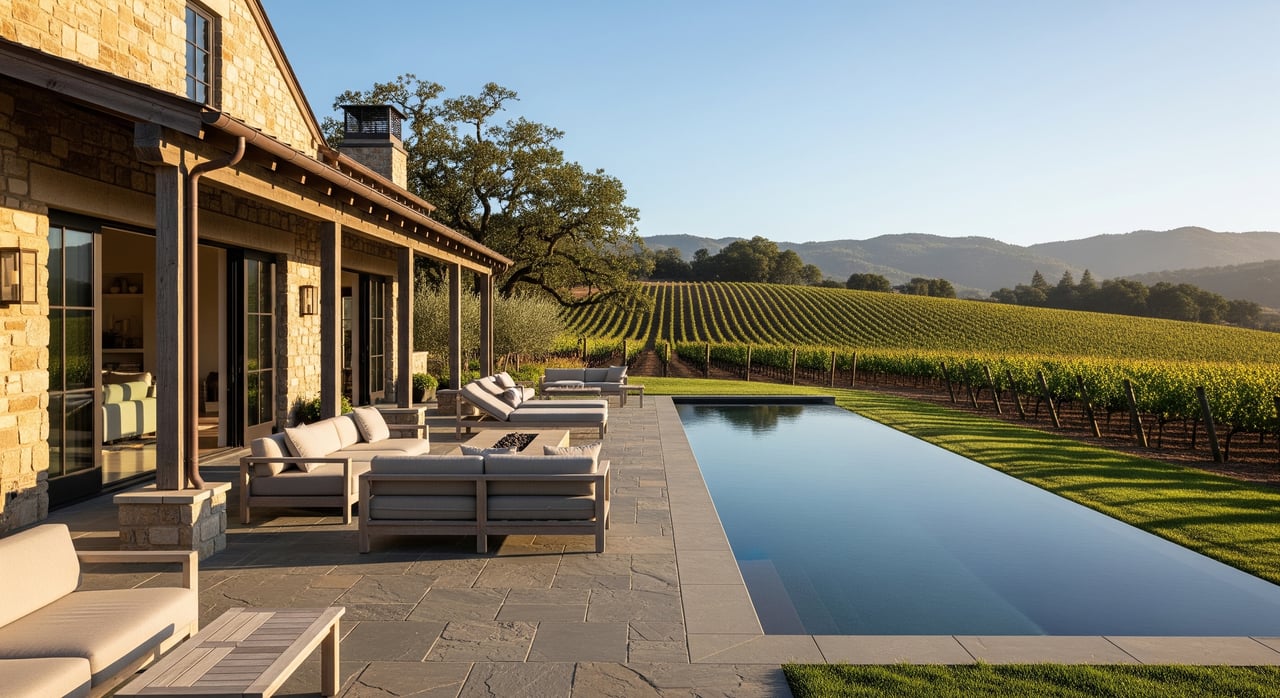
Thinking about a move to Sonoma? You are likely picturing leafy streets, vineyard views, and a stroll on the historic Plaza after dinner. That picture is real, but so are the tradeoffs that come with living in a busy wine-country hub. In this guide, you will learn how day-to-day life works here, from neighborhoods and climate to commuting, outdoor fun, and housing basics. Let’s dive in.
Sonoma at a glance
Sonoma is a small, historic city centered on the Sonoma Plaza and Mission San Francisco Solano. It blends a lively, visitor-friendly downtown with quiet residential pockets and surrounding open space. The city serves both full-time residents and a steady flow of wine-country travelers, so weekends and festival dates feel more active. Many people love this energy while also appreciating calmer weekdays and off-season months.
Neighborhood feel and lifestyle
Downtown and the Plaza
The Plaza area is walkable and historic, with tasting rooms, shops, and restaurants. Events and farmers markets bring energy to the square throughout the year. Living nearby means you can walk to dinner and community events, but you will also see more traffic and tight parking during peak times.
Residential streets near downtown
Just beyond the Plaza, you will find a mix of older cottages, Victorian and Craftsman homes, and some infill townhomes. These streets feel quieter but still offer good access to services. Inventory here can be tight, especially for move-in-ready homes on small lots close to the action.
Outskirts and valley settings
On the edges of town and through the valley, you will see ranch properties, vineyard-adjacent homes, and estate parcels. These settings feel more rural and private. They often come with larger lots and views, along with added maintenance and water considerations.
Climate and seasons
Sonoma’s climate is Mediterranean. Summers are warm and dry, with many sunny days, while winters are cool and wet. Summer wildfire smoke can be a factor in some years, and low-lying areas may see occasional winter flooding. When you shop for a home, consider shade, air conditioning, drainage, and materials that handle heat and rain well.
Everyday essentials
Groceries and shopping
Downtown has small markets, specialty food shops, bakeries, and wine-focused retail. For larger supermarkets and big-box options, you will likely drive to nearby cities such as Santa Rosa. Many residents plan weekly grocery trips and supplement with local farmers markets on Plaza days.
Healthcare access
You will find primary care clinics and urgent care options in and around Sonoma. For full-service hospitals and specialty care, most residents head to Santa Rosa. Factor drive times for appointments into your routine if you need regular specialist visits.
Schools and learning
Public schools are part of the Sonoma Valley Unified School District. There are also private-school options in the wider Sonoma Valley. For higher education and cultural events, Sonoma State University is in the county within a reasonable drive.
Utilities and city services
Water and wastewater services are provided locally, and drought years can bring landscape watering restrictions. Historic-district properties near the Plaza may require design review for exterior changes. Ask about permitting timelines before you plan a remodel.
Safety and preparedness
Local police and county fire resources serve the city. Wildfire risk is a core part of preparedness here. Learn your evacuation routes, sign up for local alerts, and understand potential PG&E Public Safety Power Shutoffs during high-risk weather.
Getting around and commuting
Sonoma is car-centric. Local roads connect to Highways 12 and 121, with links to Highway 101 for regional travel. Commuting to the Bay Area is doable but time varies with traffic, so many residents choose hybrid work schedules when possible. Public transit options exist, but service can be less frequent and less direct than in larger cities.
Regional rail service operates in Sonoma County, but there is no station at the historic Sonoma Plaza. The nearest stations and transit hubs are in larger towns such as Santa Rosa. For air travel, Sonoma County Airport in Santa Rosa handles regional flights, while SFO and OAK are the primary international hubs.
Pro tip: If commuting matters to you, drive your route at typical times and test alternatives before you buy.
Outdoor life and recreation
Sonoma Valley is a playground for outdoor lovers. Nearby state and regional parks offer hiking, biking, and picnicking, with trail networks in the surrounding hills and preserved open space. You will see road cyclists on valley routes and options for gravel and horseback riding in designated areas. For a special occasion, hot-air ballooning is popular with visitors and locals alike.
Dining, arts, and the wine scene
Downtown supports a range of farm-to-table restaurants, casual cafes, bakeries, and wine bars. You can enjoy the tasting-room culture close to home, while the broader Valley adds more dining in nearby towns like Glen Ellen and Kenwood. Community arts, small museums, and seasonal festivals anchor local culture around the Plaza and Mission.
Be aware that high season, harvest, and holiday weekends bring more traffic, parking demand, and restaurant crowds. Many residents embrace the lively atmosphere and plan errands for quieter weekday mornings.
Housing overview
What you will see
- Historic downtown cottages and Victorian-era homes
- Craftsman and Spanish Revival styles in established neighborhoods
- Infill townhomes and newer small-lot developments near services
- Ranch properties, vineyard-adjacent homes, and estate parcels on the outskirts
Single-family homes make up most of the market. There are fewer condos and townhomes, and multifamily options are limited. If you want a small, low-maintenance home near the Plaza, expect competition. Larger parcels and vineyard properties draw buyers who value privacy and scenery.
How the market feels
Prices are generally above national averages and are influenced by Bay Area demand and wine-country appeal. Properties close to the Plaza, homes with views, and vineyard adjacency often command premiums. Entry-level options in the historic core are limited, and estate-level listings are common in rural settings. For current inventory and trends, rely on real-time MLS data and local guidance.
Ownership and ongoing costs
- Historic districts: Exterior changes near the Plaza may require design review and adherence to preservation standards.
- Insurance: Wildfire risk can affect homeowners insurance availability and cost. Some buyers also explore the state backstop if needed.
- Property taxes: California’s Proposition 13 framework guides assessments. Some newer subdivisions may include special assessments. HOA fees may apply in certain developments.
- Water and landscaping: Drought rules can shape your landscape choices. Irrigated landscaping and any agricultural uses have added costs.
Practical tradeoffs to consider
- Tourism and parking: Living by the Plaza offers walkable convenience. It can also mean more noise and limited parking on busy weekends.
- Commute realities: Regional drives vary with traffic. Many residents blend remote work with occasional in-person days.
- Wildfire readiness: Defensible space, evacuation plans, and reliable alerts are part of life here.
- Agricultural activity: Vineyard work can bring seasonal traffic or odors. Some see this as part of wine-country charm, while others prefer distance.
Is Sonoma the right fit for you?
Consider how you feel about these points:
- You want a small-city feel with a historic, walkable core.
- You value outdoor access and rural scenery, even if that adds some maintenance.
- You are comfortable with a car-centric lifestyle and planning weekend errands around visitor traffic.
- You are proactive about preparedness, from fire safety to power shutoff plans.
Smart steps before you move
Use this quick checklist to make a confident decision:
- Visit during both peak and quiet times. Compare a harvest-season weekend to a weekday in winter.
- Walk the neighborhoods morning, afternoon, and evening. Listen for noise and check parking.
- Test your commute and key drives. Try multiple routes at typical times.
- Review local historic guidelines if you plan exterior work.
- Research wildfire maps, defensible-space rules, and evacuation routes. Sign up for local alerts.
- Request insurance quotes early. Understand coverage options and potential costs.
- Verify school boundaries and program options with the district.
- Ask for current MLS data on inventory in your target area and price band.
- Plan for drought-friendly landscaping and water-wise upgrades.
How a local advisor helps
Buying or selling in Sonoma is easier when you have clear, local guidance. You benefit from tailored strategies, accurate market reads, and a calm process from first tour to closing. With personalized representation, skilled negotiation, and premium marketing for listings, you can move with confidence whether you are relocating, moving up, or selling a longtime home.
Ready to explore homes and neighborhoods that fit your lifestyle? Let’s talk about your goals and next steps. Connect with Miranda Hanson to get started.
FAQs
Is Sonoma busy year-round or only in summer?
- Both. Weekends, harvest season, and holidays are livelier with visitors, while many weekdays and off-season months feel quieter and more residential.
What is commuting from Sonoma to San Francisco like?
- It is possible but time and traffic dependent. Many residents use hybrid schedules and plan around peak travel times for smoother trips.
How does wildfire risk affect homeownership in Sonoma?
- You should review local fire maps, follow defensible-space guidelines, know evacuation routes, and get early insurance quotes since risk can affect coverage and cost.
What are the public school options in Sonoma?
- Public schools are in the Sonoma Valley Unified School District. Families should verify boundaries and available programs directly with the district.
Where do residents go for hospital and specialty care?
- Primary and urgent care options are local, and many residents travel to Santa Rosa for full-service hospital and specialty care.
What types of homes are most common in Sonoma?
- Single-family homes dominate, from historic cottages near the Plaza to vineyard-adjacent properties on the outskirts, with a smaller supply of condos and townhomes.